A geriatrician is a medical doctor who specialises in the health of older people. Where a general practitioner treats one problem at a time, a geriatrician looks at everything together, the medicines, the memory, the mobility and the mood, and how they affect one another. In Sabah, that specialist is Dr Gordon Pang, and having one guide your parent’s care can change the outcome.
How a geriatrician differs from a GP
A good GP is essential, but the traditional model treats each problem on its own: one clinic for the heart, another for the kidneys, a separate prescription for sleep. In an older person with several conditions at once, that fragmented approach can quietly do harm, because a medicine that helps one organ can worsen another. A geriatrician is trained to see the whole picture and weigh those trade-offs, prioritising what actually matters for quality of life.
What a comprehensive geriatric assessment covers
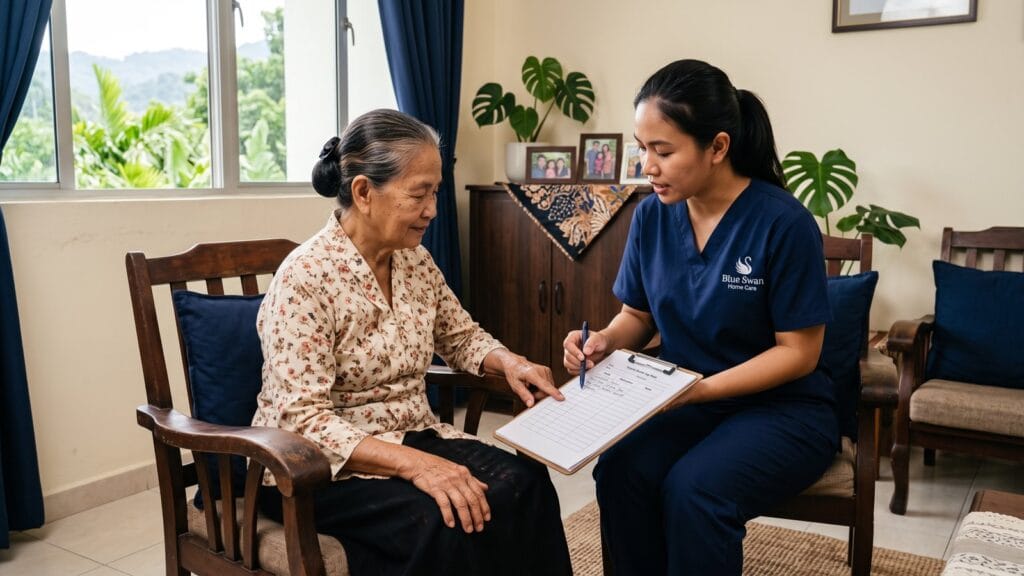
The geriatrician’s core tool is the comprehensive geriatric assessment, a structured look at the whole person rather than a single complaint. It usually covers:
- Medical. Every diagnosis and, crucially, a full review of all medications, stopping what is doing more harm than good.
- Physical function and mobility. Walking, balance, falls risk, and independence in daily tasks.
- Cognition and mood. Memory, confusion and depression, which are common in older people and often missed.
- Nutrition and continence. Weight, eating, hydration, and bladder or bowel problems.
- Social and home environment. Who is around to help, and whether the home itself supports safe, independent living.
From that, the geriatrician builds a single, coordinated plan, instead of a stack of separate specialist letters that no one has joined up.
Common problems a geriatrician manages
Much of geriatric medicine focuses on a handful of issues that ordinary, single-organ care tends to miss, or wave away as simply old age:
- Falls and unsteadiness, finding and treating the cause rather than each fall in isolation.
- Frailty, the loss of physical reserve that makes small illnesses hit hard and recovery slow.
- Dementia and memory loss, from diagnosis through day-to-day management and family guidance.
- Delirium, the sudden confusion that usually signals an underlying, treatable problem.
- Polypharmacy, safely trimming a long and sometimes conflicting list of medicines.
- Incontinence and poor nutrition, both common, both treatable, and too often accepted rather than assessed.
It is worth considering a geriatrician whenever an older person has several of these at once, keeps returning to hospital, or is on a growing pile of prescriptions that no single clinic seems to be looking at as a whole.
Why your family member in Sabah needs one
Sabah’s population is ageing, and more families are caring for parents with several long-term conditions at once. These are exactly the situations where specialist geriatric input makes the biggest difference: frailty, repeated hospital admissions, dementia, and long medication lists. A geriatrician joins the dots that a series of single-organ specialists cannot.
Meet Sabah’s State Geriatrician
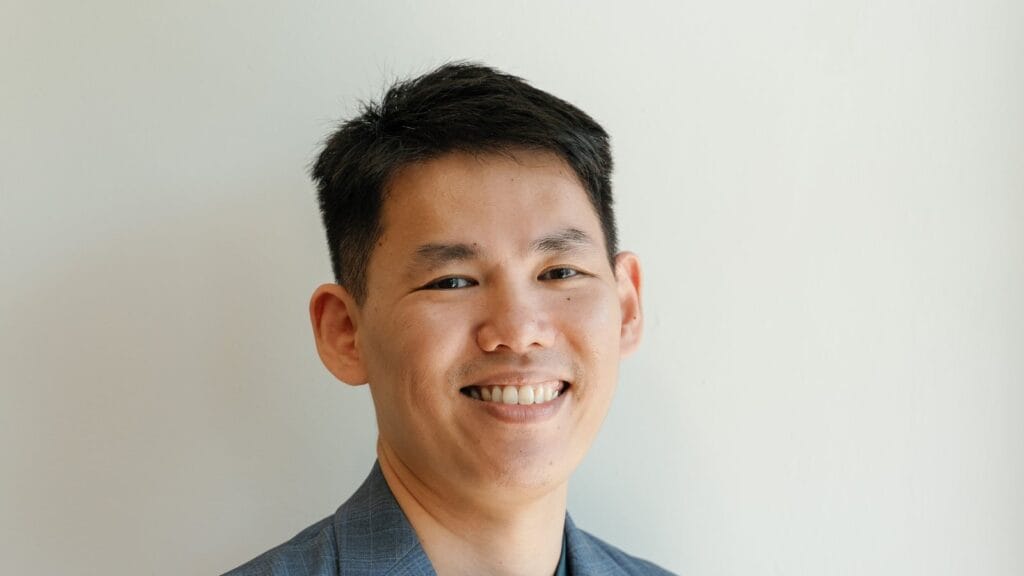
Dr Gordon Pang is the State Geriatrician for Sabah and Chief Clinical Officer of Blue Swan Home Care, with a particular focus on dementia. His qualifications include MBBS (IMU), MRCP (UK) and a Fellowship in Geriatric Medicine (MOH). At Blue Swan, every care plan is built on the clinical framework he designed, which is what allows the team to take on frail, bedridden, palliative and dementia cases at home. You can read more about the people behind the care, or explore our geriatric and frailty care.
Common questions
What is the difference between a geriatrician and a GP?
A GP manages general health for all ages. A geriatrician is a specialist in the complex, overlapping health problems of older people, and in weighing up treatments that can pull against each other.
Do I need a referral to get geriatric care at home in Kota Kinabalu?
No. You can start with a complimentary care planning discussion, and we will guide you from there.
Can a geriatrician help with dementia?
Yes. Assessment, day-to-day management and family guidance for dementia are central to the geriatric care we provide, and a specific focus for Dr Gordon Pang.
Does the geriatrician visit every patient at home?
Day-to-day visits are led by our doctors and nurses working to that framework, and when a case needs a specialist decision, it goes to him or your parent’s own specialist. A specialist home visit is arranged in select cases where the clinical need calls for it.
If your parent is dealing with more than any one clinic seems able to manage, reach out for a complimentary care planning discussion.